Romford Station moving guide for removals and parking tips
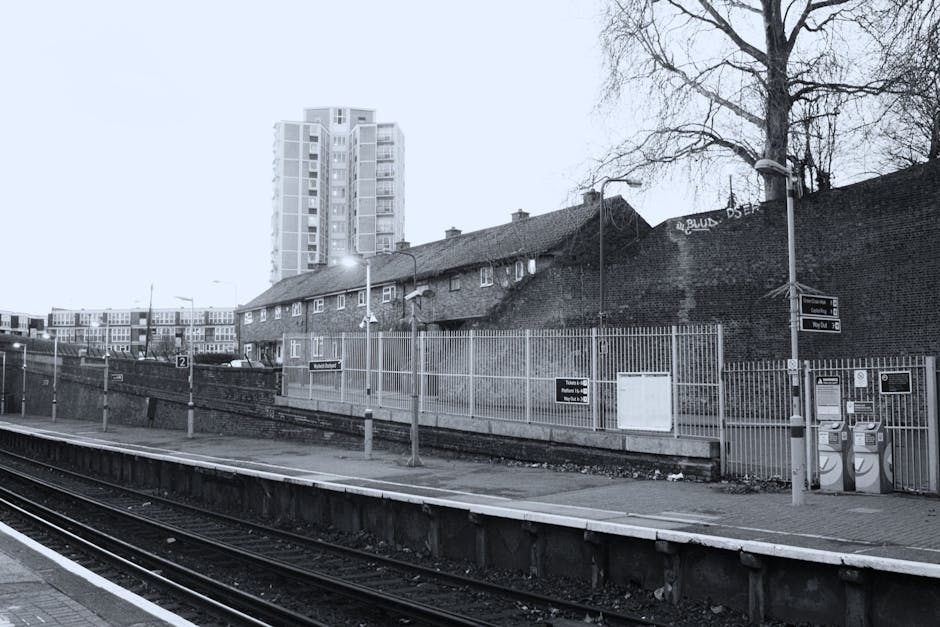
Moving near a busy station can feel like trying to park a sofa in a phone box: there's traffic, tight kerbs, impatient drivers, and that nagging worry that you'll block the wrong bit of road at the wrong time. This Romford Station moving guide for removals and parking tips is here to make the day calmer, safer, and a lot more organised. Whether you're shifting a flat, a family home, or a small office, the real challenge is usually not the lifting itself - it's access, timing, loading, and parking without causing a headache for everyone else.
In the pages below, you'll find a practical, local-minded guide to planning a removal around Romford Station, understanding the movement of vans and furniture in a busy town-centre setting, and avoiding the mistakes that turn a straightforward move into a long, frustrating one. If you're also comparing service options, it may help to look at removals, a flexible man with van option, or more structured house removals depending on how much you're moving.
Truth be told, most move-day stress is preventable. A bit of planning, a sensible parking strategy, and a backup plan for narrow roads or peak-time congestion can save hours. And yes, that includes the boring stuff. The boring stuff is usually what makes the day work.
- Why Romford Station moving guide for removals and parking tips matters
- How Romford Station moving guide for removals and parking tips works
- Key benefits and practical advantages
- Who this is for and when it makes sense
- Step-by-step guidance
- Expert tips for better results
- Common mistakes to avoid
- Tools, resources and recommendations
- Law, compliance, standards, or best practice
- Options, methods, or comparison table
- Case study or real-world example
- Practical checklist
- Conclusion
- Frequently asked questions
Why Romford Station moving guide for removals and parking tips Matters
Romford Station sits in an active, high-traffic part of town, which means removals nearby often have to work around pedestrians, buses, taxis, delivery drivers, and the usual stop-start flow you get in a busy station area. That matters because a removal is not just about getting items from one property to another; it is about creating a safe loading window where the van can actually stop, the team can move efficiently, and neighbours or road users are not put at risk.
If you ignore access, even a small move can drag on. A van parked too far away means extra carrying distance. A van parked badly means frustration, delays, and sometimes a ticket or complaint. Nobody wants to carry a mattress through wet pavement and traffic fumes while someone behind them taps their steering wheel. Not ideal.
The point of planning around the station is simple: reduce friction. Know where the vehicle can stop, what space you really have, how long loading is likely to take, and whether stairs, lifts, or narrow hallways will slow things down. For larger moves, that planning should include the right vehicle size, and possibly support from a moving van or even a moving truck if access and volume demand it.
Good planning also helps you avoid the classic panic moment: the van arrives, but there's nowhere to stop. That's when a well-organised move becomes a shuffle, a wait, and a lot of unnecessary heavy lifting. To be fair, that is the kind of problem that looks small until you're the one carrying a wardrobe down the road.
How Romford Station moving guide for removals and parking tips Works
At its core, this guide works by breaking the move into three parts: access, parking, and load timing. Get those three aligned, and the rest becomes much easier.
Access means checking how the van reaches the property. Around a station area, you may need to think about one-way streets, limited stopping zones, busier pedestrian routes, or narrow residential roads that are not friendly to larger vehicles. Access also includes the building itself: lifts, communal entrances, controlled entry, stairs, and whether furniture will fit around corners.
Parking means deciding where the van will wait, how close it can get, and whether there is a legal or sensible way to pause for loading. Some moves need a short stop right outside the property. Others work better with a nearby legal space and a carry plan. The right answer depends on the size of the load, the type of road, and how much time you have.
Load timing is often overlooked. If you are moving during school run hours, commuter peaks, or the evening rush, you may end up waiting longer than expected. Starting early can help, especially if you want a cleaner run through the station area before traffic builds. A lot of people discover this the hard way, usually with a kettle still in the kitchen and a mover asking where the second set of keys is.
For the practical side of the job, it can also help to compare options like man and van services for smaller local moves, or broader removal services if you need a fuller team and structured loading support. The right setup depends on how much lifting and parking pressure you expect.
Key Benefits and Practical Advantages
A well-planned station-area move gives you more than convenience. It can affect the whole tone of the day.
- Less carrying distance: If the van can stop close to the entrance, furniture goes in and out faster and safer.
- Lower risk of damage: Fewer twists, turns, and awkward pauses mean fewer bumps to walls, doors, and furniture edges.
- Better time control: A move that starts on time usually finishes on time, or at least closer to it.
- Less stress for neighbours: Good parking and loading manners go a long way in shared streets and flats.
- Safer handling: Less hurrying around traffic makes manual handling a bit more sensible, which is good for backs, hands, and nerves.
There is also a hidden benefit: clarity. Once you know where the van will stop and how long it can stay there, everything else becomes more predictable. You can pack in the right order, brief the movers properly, and avoid that vague mid-move confusion where everyone is holding something but nobody is sure where it goes next.
If you are moving a full household, support from experienced house movers can be especially helpful because the team can often work more quickly around tight schedules and limited loading space. For very small loads, the simplicity of man with a van can be enough. Different jobs, different shape. Simple as that.
Who This Is For and When It Makes Sense
This guide is most useful if your move starts or ends near Romford Station, especially if your property sits in a busy street, a block of flats, a managed building, or somewhere with awkward access. It is equally useful for first-time movers and for people who have moved before but not in a station-heavy area.
You will probably find it especially helpful if you are:
- moving from a flat with limited parking
- relocating a family home on a busy road
- handling a small office or studio move near the station
- organising a same-day or short-notice removal
- trying to keep costs down by reducing wasted waiting time
- comparing self-managed parking with professional help
It also makes sense if you are juggling work, children, or a tight handover window. In those situations, the parking and access plan matters almost more than the packing. Almost. A poorly parked van can quickly wreck a very careful schedule.
For business moves, the logic is similar but the stakes are a little different. Delivering desks, files, or stock into a station-adjacent office or unit often means matching building access with vehicle access. If that sounds like your day, it may be worth looking at commercial moves or office removals rather than treating it like a standard household run.
Step-by-Step Guidance
Here is the part that makes the biggest difference. Keep it practical and go in order.
- Check the property access first. Measure doorways, stairs, lifts, and any tight corners. If you cannot comfortably turn a sofa on the landing, you need to know that before move day.
- Decide what vehicle size fits the job. A compact load may suit a smaller van, while bulky furniture may need a larger vehicle. Choosing the wrong size can mean multiple trips or overpacking, neither of which is fun.
- Plan the loading point. Identify the safest legal place for the van to stop, ideally as close as possible to the entrance. If exact roadside stopping is not realistic, work out the next best place and factor in the carry distance.
- Book the move for a sensible time. Earlier starts often help in busy areas. Less traffic usually means more breathing room. You know, the kind of breathing room everyone wishes they had at 8 a.m. on moving day.
- Pack in the order of use. Put the essentials somewhere easy to reach. Things like kettle, chargers, documents, tea, and basic cleaning items should not disappear under a pile of cushions.
- Protect the route. Use floor coverings if needed, keep hallways clear, and make sure communal doors are not wedged open in a way that causes problems.
- Brief everyone involved. Tell the movers, family members, or colleagues exactly where the van can stop and which items go first. The less guesswork, the better.
- Leave a buffer. Station-area traffic rarely behaves perfectly. Give yourself room for a delay, a blocked space, or a building access hiccup.
A small but useful trick: keep your phone on loud and fully charged. If the van is waiting nearby and you need to coordinate a short move from bay to door, you do not want to be hunting for a charger in a half-packed kitchen. Been there, regretted it.
Expert Tips for Better Results
After plenty of local removals, a few habits keep proving their worth.
- Use parking logic, not wishful thinking. If a spot looks tight, assume it will be tighter once the van arrives.
- Keep the heaviest items closest to the exit. That reduces double handling and keeps the move flowing.
- Protect the first and last 10 metres. In practice, that is where most scrapes and scuffs happen.
- Disassemble awkward furniture early. Flat-pack beds, table legs, and large wardrobes are usually easier to move when broken down before the van turns up.
- Have a wet-weather plan. Rain changes everything. Cardboard softens, floors get slippery, and everyone moves slower. London weather has a sense of humour, apparently.
- Use labelled boxes with room names. It saves time at the destination and avoids the "where did the lamp go?" moment.
If you want a smoother move from start to finish, consider packing and unpacking services for the parts of the job that usually eat up the most time. And if the furniture needs to be collected, transferred, or passed on rather than moved to a new home, furniture pick-up can be useful too.
Expert summary: in station-adjacent removals, the winning formula is usually not speed alone. It is preparation, parking discipline, and realistic timing. Get those right and the rest becomes much easier.
Common Mistakes to Avoid
Most move problems near a station come from the same handful of mistakes. Luckily, they are avoidable.
- Assuming parking will sort itself out. It usually doesn't.
- Choosing a vehicle that is too large for the street. Bigger is not always better, especially near tight corners.
- Starting too late in the day. Peak traffic can turn a simple stop into a frustrating wait.
- Packing without a load order. That creates a slow, messy unpack at the other end.
- Forgetting building rules. Some flats and managed sites have access expectations you should check in advance.
- Not allowing time for a second trip. If there is a lot of furniture, one trip is not always realistic.
One more thing people overlook: the walking route from van to door. A road can look easy on a map and still be awkward in real life because of bollards, railings, narrow pavements, or a surprising number of bins. Not glamorous, but it matters.
Tools, Resources and Recommendations
You do not need a toolkit the size of a workshop. You do need the right basics.
- Measuring tape: for doors, furniture, and corridor widths.
- Marker pens and labels: simple, but they save time.
- Protective blankets or covers: useful for furniture and fragile edges.
- Gloves and sturdy footwear: sensible on a busy move day.
- Phone charger or power bank: because moving days drain battery life faster than expected.
- Spare bags or boxes: always needed for the odd loose item.
For service planning, it helps to compare the type of help you actually need rather than choosing the first moving option you find. Smaller local jobs may suit a simple man and van removals setup, while a bigger or more structured move may be better matched with an established removal company. If you are still at the comparison stage, the page on removal companies may help you think through the differences.
It is also wise to review the basics of booking, payments, and expectations. A quick look at pricing and quotes, payment and security, and terms and conditions can remove a lot of uncertainty before move day. No one enjoys surprise add-ons halfway through a stressful morning.
Law, Compliance, Standards, or Best Practice
When a move takes place near a busy station, compliance and common-sense best practice matter. You do not need to turn the day into a legal seminar, but you should be aware of a few basics.
First, parking and stopping must follow the local road rules in the area you are using. If there are restrictions, loading-only rules, or time limits, those need to be respected. It is always safer to check in advance rather than assuming a short stop will be fine. In busy parts of Romford, that small assumption can cost time and money.
Second, safe lifting and manual handling are essential. Good removal practice involves team coordination, sensible weight distribution, and enough space to work without rushing through hazards. If furniture is too heavy, too awkward, or too valuable to risk, that is where experienced movers are worth their weight in tea and sanity.
Third, insurance and safety should not be an afterthought. A credible removal provider should be clear about how goods are handled, transported, and protected. It is perfectly reasonable to ask about insurance cover and safety procedures before you book. You can also review a provider's approach through pages like insurance and safety and health and safety policy.
Finally, good practice includes being considerate to neighbours, pedestrians, and nearby businesses. That means not blocking entrances, keeping walkways clear, and loading efficiently. It sounds basic because it is basic. Still, it makes a big difference.
Options, Methods, or Comparison Table
If you are deciding how to handle a Romford Station-area move, the best option depends on volume, access, and how much time you have. Here is a simple comparison.
| Move method | Best for | Parking pressure | Typical strengths | Watch-outs |
|---|---|---|---|---|
| Self-managed van hire | Very small moves with flexible timing | Medium to high | Control over schedule and budget | You handle loading, parking, and lifting |
| Man and van | Local flats, single-room moves, small furniture runs | Medium | Flexible, quick, usually practical for short jobs | Less suitable for very large household moves |
| Full removal service | Family homes, awkward access, larger loads | Lower pressure on you | More support with planning, handling, and timing | Usually needs more lead time and coordination |
| Office relocation support | Desks, IT kit, files, and business moves | High if near station frontage or shared access | Better planning for business continuity | Needs careful schedule management |
For many people, the sweet spot is a modest van with a strong local plan. For others, especially those moving family furniture or dealing with stairs and limited parking, the more structured approach wins easily. If in doubt, check the move size first and be honest with yourself. We all think we own less than we do. Then the wardrobe appears.
Case Study or Real-World Example
Here is a realistic example from a typical station-area move. A couple were moving from a second-floor flat near Romford Station into a house a few streets away. The load included a bed frame, mattress, two sofas, a dining table, boxes, and a few awkward plants that somehow became everyone's problem.
At first, they assumed a van could stop directly outside both properties. In practice, the street by the flat was busy at the exact time they wanted to move, and the second property had a tighter frontage than expected. Rather than forcing the schedule, the move was split into a short pre-check of access, a slightly earlier start, and a plan to stage items by the front door before loading.
The result? Fewer trips up and down stairs, less waiting around, and a lot less tension. The van stayed close enough for efficient loading, the team avoided blocking a busier part of the road, and the whole move finished without the usual scramble for missing box cutters or tape.
That sort of outcome is not magic. It is simply what happens when parking, access, and timing are treated as part of the move rather than an afterthought.
Practical Checklist
Use this checklist a day or two before your move near Romford Station.
- Confirm the exact moving date and arrival time.
- Check where the van can legally and safely stop.
- Measure larger furniture and doorways.
- Decide whether you need a smaller van, larger van, or full removals support.
- Label boxes by room and priority.
- Pack essentials separately for the first night.
- Clear hallways, stairs, and access routes.
- Keep rain protection ready if the weather looks doubtful.
- Make sure keys, parking information, and contact numbers are easy to reach.
- Review the provider's booking, safety, and insurance details.
Quick takeaway: if the parking plan is sorted, the rest of the move gets easier fast. That one bit often decides whether the day feels smooth or slightly chaotic.
Get a free quote today and see how much you can save.
Conclusion
A successful move near Romford Station is not really about luck. It is about understanding the area, planning the parking, choosing the right vehicle, and allowing enough time for the job to breathe. Once you remove the uncertainty around access, the whole day feels more manageable. Less rushing, fewer awkward delays, and a lot less carrying things farther than necessary.
If you're still deciding what level of help makes sense, compare your move size, access, and timing honestly. Some jobs are ideal for a flexible van-and-driver setup. Others really do need fuller removal support. Either way, a calm plan is the best starting point. And on a busy move day, calm is gold.
Take the parking seriously, keep the route clear, and give yourself a little extra time. That small bit of discipline can make the whole experience feel lighter - even when the wardrobe is, in fact, quite heavy.
Frequently Asked Questions
Can a removal van park near Romford Station for loading?
Sometimes yes, but it depends on the exact road, time of day, and any local restrictions. The safest approach is to plan the loading point before move day and have a backup option if the closest space is unavailable.
What is the best time to move near Romford Station?
Earlier in the day is usually easier because traffic and pedestrian movement are often lighter. That said, the best time also depends on building access, keys, and how long you need for loading.
Do I need a full removals service or just a man and van?
If you have a small load, a local move, or a few larger items, a man and van option may be enough. For larger homes, awkward access, or more delicate furniture, fuller removals support is often a better fit.
How do I reduce carrying distance on move day?
Choose the closest legal stopping point, pack by room, and keep the route from van to door clear. If the road is tight, stage items near the exit so loading is faster once the vehicle arrives.
What should I do if there is no space outside the property?
Use the nearest sensible alternative and plan for a shorter carry. It can also help to book an earlier slot so you have more flexibility if the first option is occupied.
Are parking challenges worse for flat moves?
Usually yes, especially in managed buildings or streets with shared parking. Flats often mean more stairs, lifts, and shorter windows for loading, so good planning becomes even more important.
Can office moves near the station be handled the same way as house moves?
Not quite. Office moves often need tighter scheduling, careful handling of equipment, and more attention to business continuity. For that reason, services like office relocation services can be more suitable.
What are the biggest mistakes people make with parking on moving day?
The biggest ones are assuming a space will be free, not checking restrictions, and underestimating how much time loading takes. Those three mistakes cause most avoidable delays.
Should I disassemble furniture before the movers arrive?
If the items are bulky or awkward, yes, ideally. It helps the team move faster and lowers the chance of damaging walls, doors, or the furniture itself.
How far in advance should I book a removal near Romford Station?
As early as you reasonably can, especially if the move falls on a busy date or you need a specific time slot. Short-notice bookings are sometimes possible, but the more lead time you give, the easier it is to plan properly.
What if my move is small but I still worry about parking?
Then it may be worth choosing a flexible local option and discussing access in detail before the day. Even a small move can become awkward if the van cannot stop in the right place.
Is it worth asking about insurance and safety before booking?
Absolutely. It is a sensible part of choosing any removal provider. A clear explanation of handling, transport, and cover can give you more confidence before the move begins.